Choosing a system
Choosing reverse-cycle heating for colder Blue Mountains mornings
Choosing heating for a Blue Mountains home? Learn how cold-weather output, room layout, heat loss and normal defrost pauses affect your choice.
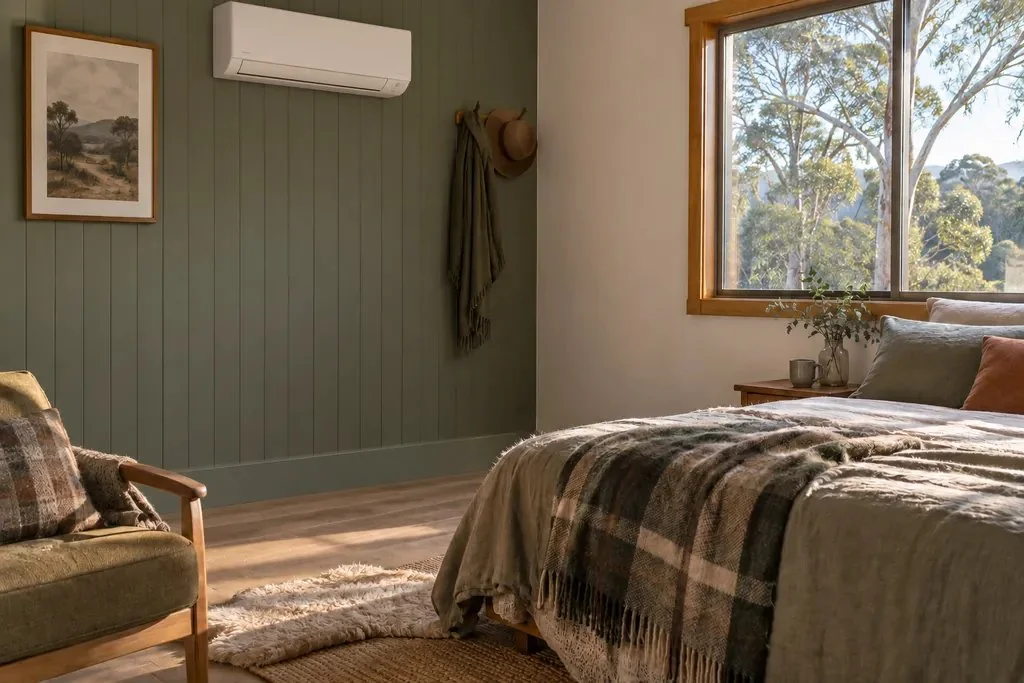
Getting everyone ready on a cold morning is easier when the rooms you use are warm. Reverse-cycle air conditioning can heat as well as cool, but choosing a system for a Blue Mountains home means looking beyond its summer cooling figure. Start with how much heat the model can deliver in cold weather and how that warmth will reach your living areas and bedrooms.
How does reverse-cycle heating work?
Reverse cycle means the same air conditioner can provide heating in winter and cooling in summer. In heating mode, it uses electricity to move heat from outdoor air into your home. There is heat to collect even when the air outside feels cold, although the amount a particular model can deliver depends on the conditions.
This helps explain why a system that works well in summer still needs a winter performance check before you choose it. Ask Caleb to match the equipment to your address, the rooms you want warm and the colder mornings it will need to handle.
Which heating figures matter on a cold morning?
Heating capacity is the amount of heat a unit can deliver, measured in kilowatts (kW). Electrical input is the power it uses to do that job, also measured in kW. These are different figures: a heating-capacity number tells you about warmth delivered, not directly what your electricity bill will be.
The lowest outdoor temperature at which a model can operate is another separate figure. Being able to run at that temperature does not promise enough heat for your rooms. Some models deliver less heat as outdoor temperatures fall, so ask for the manufacturer’s heating output at the cold conditions used to select your system.
For example, two units with similar advertised heating capacity might deliver different amounts of heat on a frosty morning. We would need the exact indoor and outdoor model numbers and their performance information to compare them. The room sizes, windows, insulation and local conditions then help us decide whether that output is enough for your home.
How do you compare efficiency without guessing your bill?
Efficiency describes how much heating you get for the electricity used. Where a model has a Zoned Energy Rating Label, it shows separate heating and cooling ratings for hot, average and cold climate zones. Ask which zone applies to your address and compare the heating ratings of models with similar capacity and features.
The label’s annual energy-use figure is measured in kilowatt-hours (kWh), which is electricity used over time. It uses standard assumptions, so it helps compare models rather than predict your exact bill. Your hours of use, temperature setting, electricity price and home all affect the result. Our running-cost guide explains how to make an estimate.
Will warmth reach the bedrooms with doors shut?
A wall split has an indoor unit serving the area where it is installed and a connected outdoor unit. It can suit a living area, but heating that room does not automatically heat bedrooms along the hallway. If your family sleeps with bedroom doors closed, say so when discussing the layout.
For example, a household might want the kitchen warm for breakfast and separate bedrooms warm at bedtime. Depending on the house, that could mean separate room units or a ducted system. Ducts are passages that carry air to room outlets; a zone is a room or group of rooms controlled together. A ducted design also needs a suitable route for air to return to the system when doors are closed.
The right choice starts with those everyday needs. Caleb can assess the layout and explain how the proposed system would serve each room, rather than relying on a larger living-room unit to solve every cold spot.
Why might the heating pause to defrost?
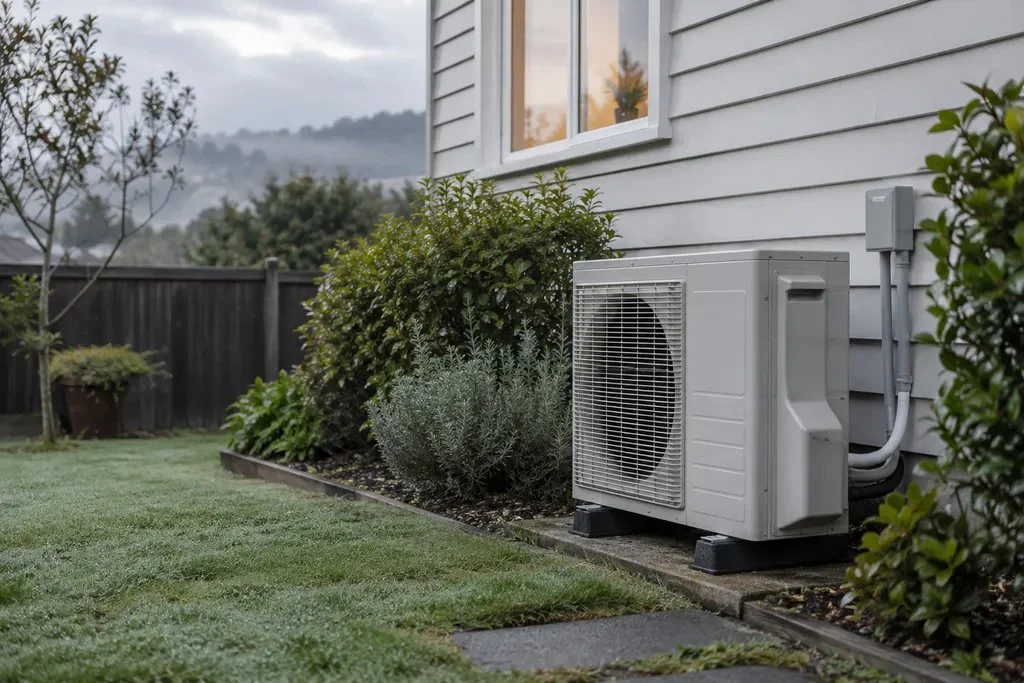
In cold, damp weather, moisture can freeze on the outdoor coil—the part that exchanges heat with outdoor air. Ice restricts airflow, so the unit may run a defrost cycle to clear it. Indoor heating can pause during this cycle, and some controllers display a defrost or standby message.
A pause can therefore be normal. Let the cycle finish and use your model’s manual to understand its indications and expected behaviour; timing varies with the equipment and weather. The outdoor unit may release water as the ice melts, which is one reason its drainage needs planning.
What else helps a mountain home stay warm?
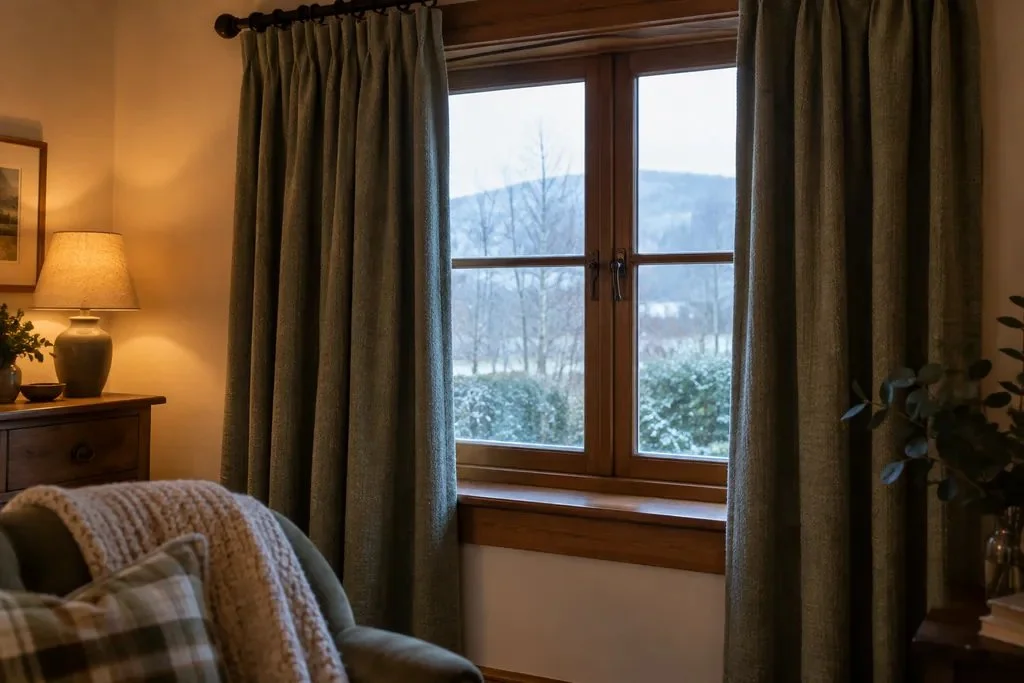
Once the system has warmed the room, insulation, suitable curtains or blinds and draught control help keep that heat indoors. Mention large windows and rooms that lose warmth quickly when asking for a quote. Those details affect how much heat the system needs to supply, so they belong in the selection discussion.
Keep ventilation required for gas heaters or other appliances; do not block safety vents to stop a draught. For an older home, we can discuss the heating alongside the way the house retains warmth. You do not need to know what insulation is in an inaccessible roof space before making an enquiry.
What should you ask before accepting a quote?
A useful quote discussion connects the equipment to your home and routine. These questions help you understand the recommendation:
- Which rooms and cold outdoor conditions have you allowed for, and what heating output does this model provide there?
- How will the bedrooms receive heat with their doors closed?
- What defrost behaviour should we expect, and how will we recognise it?
- Where will the outdoor unit go so it has clear airflow, safe service access and suitable drainage for defrost water?
- Can the controls schedule heating around our morning and evening routine?
Tell Caleb your town, the rooms you want heated and when you use them. A rough floor plan and photos of the spaces can help us discuss split-system installation or whether a different layout deserves consideration. If you already have heating, explain whether it struggles every winter day or only on the coldest mornings, so we can discuss operation, servicing and replacement with that context.
Sources and further reading
Research checked 5 October 2026. For operation, maintenance and installation requirements, use the instructions for the exact equipment in your home.
- Australian Government — reverse-cycle heating and system selection ↗
- Energy Rating — understanding the Zoned Energy Rating Label ↗
- Mitsubishi Electric — understanding defrost operation ↗
- Mitsubishi Electric — example model operating instructions and low-temperature limitations (PDF) ↗
- Your Home — passive heating and retaining warmth ↗
- Australian Refrigeration Council — home layout and system selection (PDF) ↗
- Your Home — ducted layout and return airflow ↗
Want a hand with this?
Tell us your town, the coldest rooms and how your current heater copes on winter mornings.
Ask Caleb ↗