Installation planning
How to prepare for air conditioner installation day
Getting ready for air conditioner installation? Plan access, confirm the agreed work and know what to ask at handover, without doing any trade work yourself.
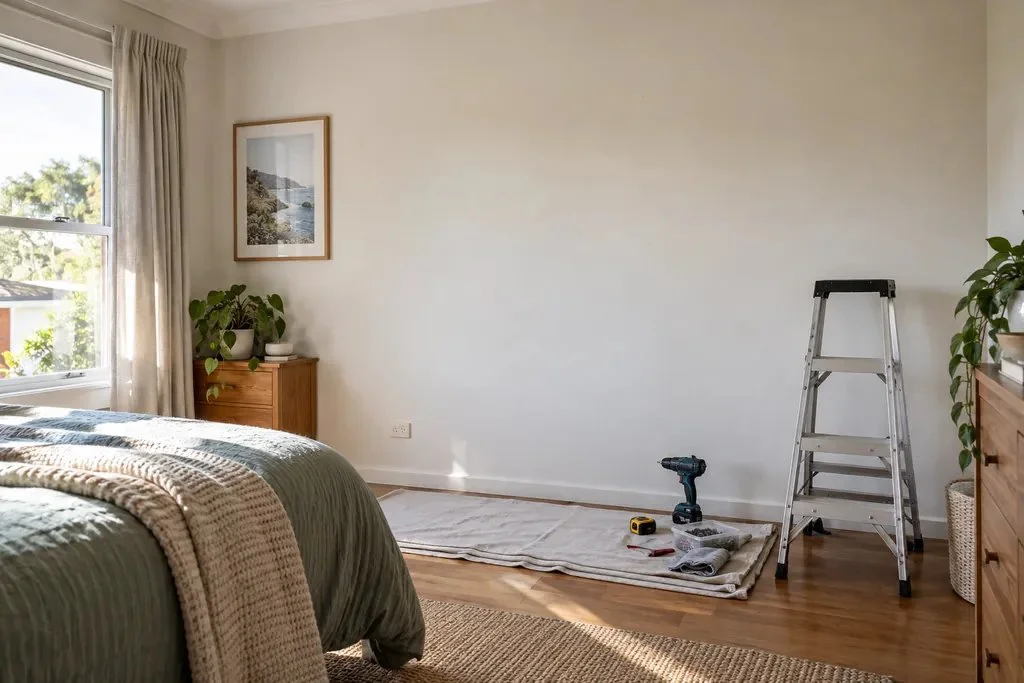
If you are fitting installation day around work, school pick-up and everything else at home, it helps to know what actually needs your attention. The main jobs are to confirm the plan, clear safe access and allow time to be shown the controls. You do not need to prepare the wiring, remove the old system or climb into the roof.
What should you confirm before the day?
Start with the written quote and check which model is being installed and what work is included. If your quote refers to the “scope”, it means the agreed work: for example, fitting the new equipment, arranging its power supply and taking away an old unit. If anything is unclear, ask before the appointment so you know what to expect.
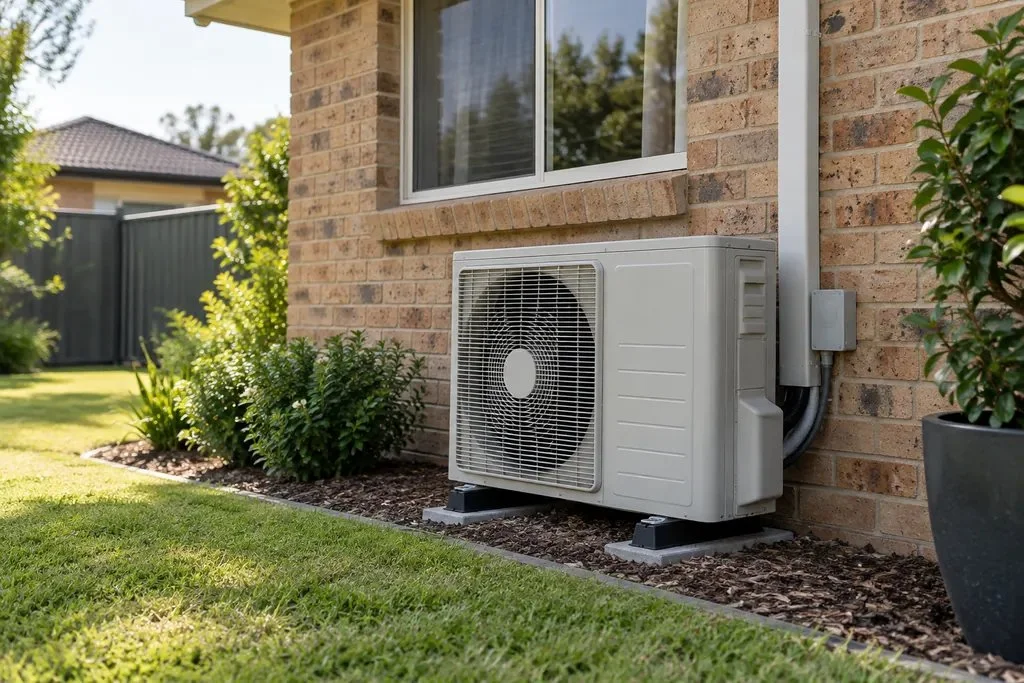
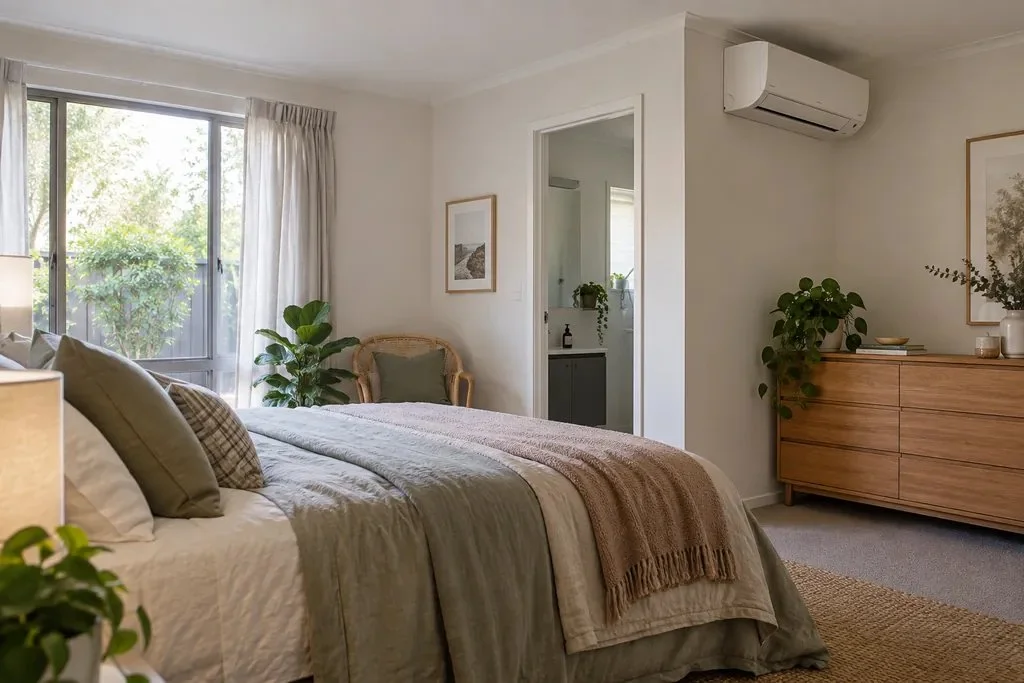
For a split system, which has a unit inside the room and another outside, confirm both positions and where any visible pipe cover will run. If you have changed your mind about a wall or moved a bed since the quote, tell the installer. The position needs to suit the room as your family uses it, as well as the equipment’s installation requirements.
If you rent, arrange written permission from your landlord. In a strata property, such as an apartment or some townhouses, check the scheme’s rules and approval process with the strata manager or owners corporation. Approval requirements depend on the work, especially where it affects the building’s outside or shared property; have the relevant approvals sorted before installation.
How do you fit the work around family life?
Ask the installer about arrival, the likely length of this particular job and whether there will be a power interruption. That gives you a basis for arranging work calls or school pick-up. If someone at home relies on powered medical equipment, tell the installer beforehand so any interruption can be planned around their needs.
Arrange for someone who knows the agreed plan to be available for questions and the handover. Handover is the time at the end when the installer explains the finished system and shows you how to use it. If you cannot be there, agree who will receive that explanation and keep the paperwork.
What needs to be cleared or moved?
Ask which areas the crew needs to reach before moving a roomful of furniture. Usually the useful preparation is making a clear route to the work area and moving belongings that could get in the way or be damaged. Leave heavy or awkward items until you have discussed how they can be moved safely.
- Move toys, small furniture and fragile belongings away from the agreed indoor work area.
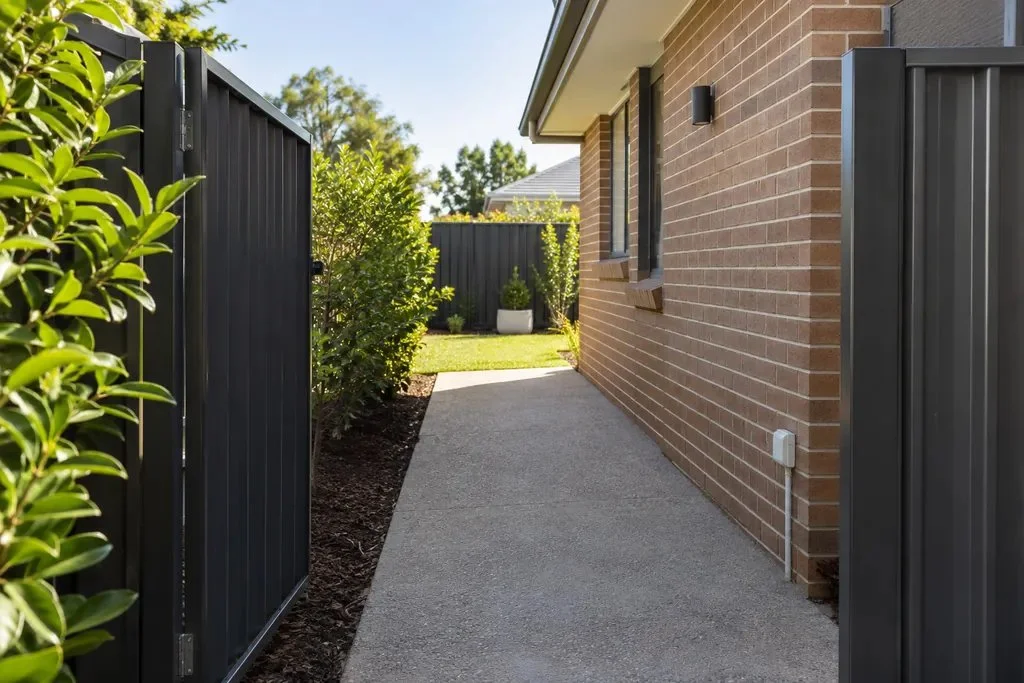
- Clear the route through doors and side gates, and explain any parking or access difficulties.
- Arrange a separate place for children and pets while work is underway.
- Show the installer where the switchboard is, without opening electrical covers.
- For ducted work, clear the floor beneath the ceiling access hatch; leave roof access to the crew.
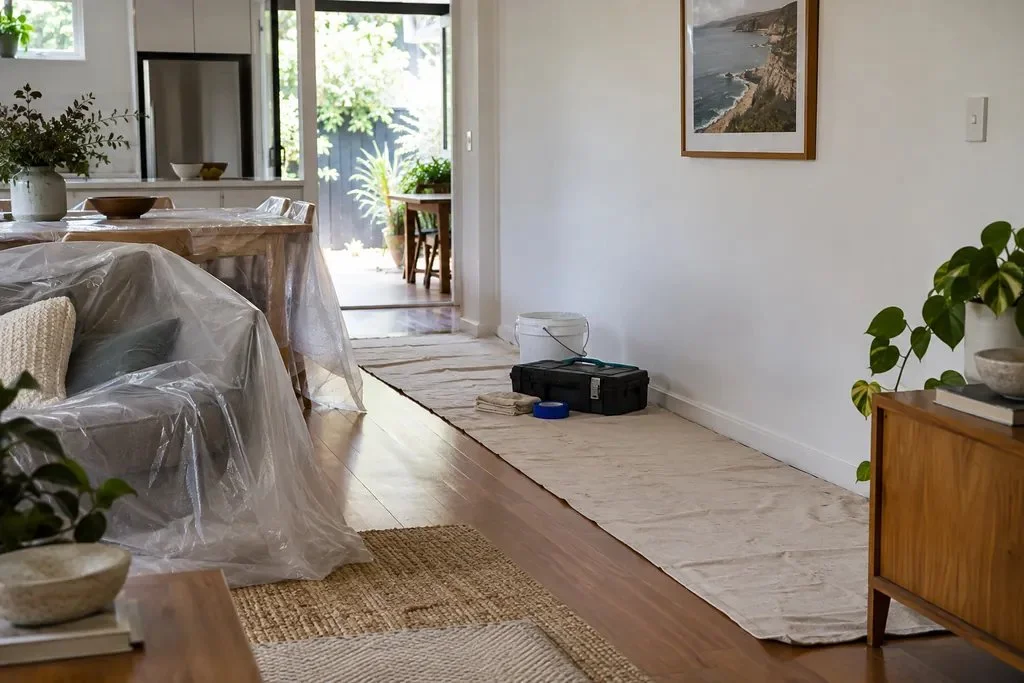
A ducted system sends air to rooms through ducts, which are passages usually hidden above the ceiling. The crew may need access in several rooms, so ask which ones rather than assuming only the controller wall needs clearing. Mention known leaks, fragile ceilings or access problems, and discuss protection for floors and furniture.
Leave disconnecting equipment, electrical work, drainage connections and removal of the old system to the appropriate tradespeople. Clearing belongings helps them work; opening equipment or loosening pipes does not form part of your preparation.
What should you check before work starts?
Walk through the agreed positions with the installer before holes are made. Point out the furniture layout, curtains and any concern about where air will blow. For example, if a child’s bed is below the proposed wall position, that is useful to discuss while the layout can still be checked.
With ducted air conditioning, confirm the room outlets and the return-air grille, which is the opening where room air goes back into the system. Also confirm the wall controller position and zone names. A zone is a room or group of rooms controlled together; familiar names such as “bedrooms” make the controls easier to understand later.
If something on site means the agreed layout needs to change, ask why, what it will look like and whether it changes the price before approving extra work. You can explain what matters to your household while the installer checks what is practical and safe.
What should you ask at handover?
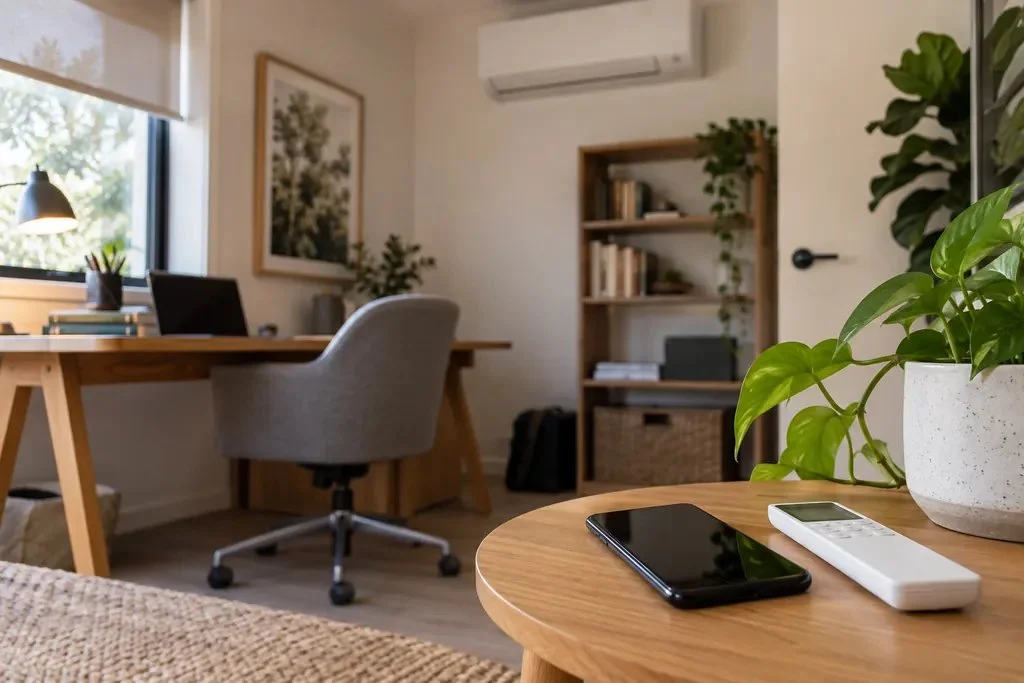
Try the remote or wall controller yourself while the installer is there. Ask to be shown the settings you will actually use, such as cooling the bedroom at night or warming the living room in the morning. If the system is reverse cycle, that means it can heat as well as cool.
- Practise selecting the mode, temperature and fan setting.
- Ask how your timers, zones or Wi-Fi controls work, if fitted.
- Ask which filters you can safely reach and how to clean them using the exact model’s instructions.
- Ask about normal sounds or pauses, and who to contact if something seems wrong.
- Keep the manuals, invoice, model details and any warranty documents together.
There is no need to remember every setting at once. Knowing how to start the system, where to find the instructions and who to ask gives you a useful starting point. Before your split-system installation, you can ask Caleb about access or the agreed positions and explain any household arrangements we need to plan around.
Sources and further reading
Research checked 5 October 2026. For operation, maintenance and installation requirements, use the instructions for the exact equipment in your home.
Want a hand with this?
Ready for installation day? We can confirm the positions, access and what to expect before we arrive.
Ask Caleb ↗