Costs & replacements
Can old pipes or ducts be reused with a new air conditioner?
Some existing pipes or ducts may suit a replacement air conditioner. Learn what needs checking, why it matters and what to ask before accepting a quote.
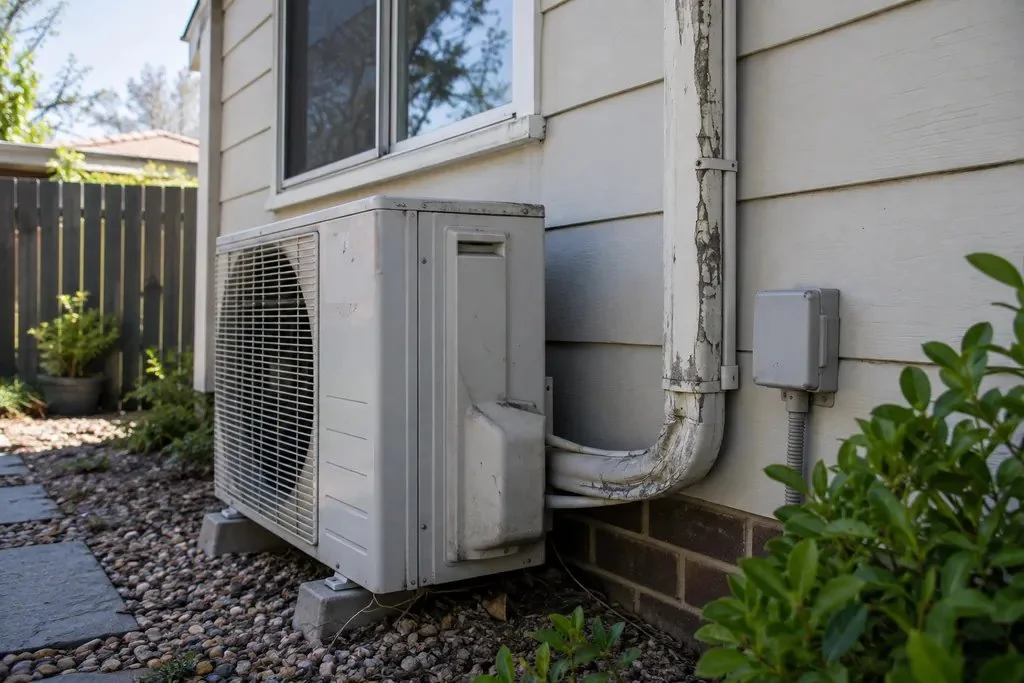
If your air conditioner needs replacing, you may be wondering how much of the old installation can stay. Keeping useful parts is a sensible thing to ask about, especially when you are watching the household budget. Some pipes or ducts may be reusable, but the installer needs to check them against the new equipment before including reuse in your quote.
What is the difference between pipes and ducts?
The copper pipes connecting the indoor and outdoor units carry refrigerant: the substance that moves heat between them. When your air conditioner is cooling, it takes heat out of the room and releases it outdoors. Those pipes are part of that process; they do not carry the air you feel coming into the room.
Ducts are the larger passages that carry cooled or heated air from a ducted system to rooms, usually through ceiling outlets. A wall-mounted split system blows air directly into its room, so it does not have that network of room ducts. If you have ducted air conditioning, replacing the equipment raises two separate questions: can the refrigerant pipes stay, and can the air ducts stay?
Can the old copper pipes stay?
Possibly, if the manufacturer permits it for the proposed model and the existing pipes meet its requirements. The installer needs to check such things as pipe size, the thickness of the copper, length and damage, using the instructions for that equipment. A pipe that worked with the old unit is not automatically suitable for its replacement.
Manufacturer advice varies. Daikin’s general guidance cautions against assuming existing pipes and cables can be reused, while some equipment has specific provisions for pipe reuse. That is why a broad answer such as “we always keep the pipes” is less useful than an explanation of what is allowed for the model in your quote.
Ask the installer what they have been able to inspect and whether any checks are still outstanding. If part of the route is hidden, ask how they will assess it and what happens if it proves unsuitable. You do not need to uncover pipes or disconnect anything yourself; refrigerant work belongs with a technician who holds the appropriate licence.
Can the existing ducts stay?
They may be able to, if their condition and design suit the new ducted system. The installer should assess their size, connections, insulation and how air reaches the rooms. Insulation is the covering that slows heat passing through the ducts; gaps or poorly insulated sections can let heating or cooling be lost before it reaches your family.
The return air grille also matters. This is the grille where room air is drawn back to the indoor unit to be heated or cooled again. Air needs a suitable route back from the rooms, so tell the installer if bedrooms are usually used with their doors shut. That helps them assess the layout under the conditions you actually live with.
For example, imagine the living room has always cooled well but a child’s bedroom has stayed warm. New equipment alone may not resolve a problem with how air reaches that bedroom. Mention it before the quote is prepared, so the installer can investigate the cause rather than assume the existing layout should stay.
You can point out rooms that feel uncomfortable and show the visible grilles from the floor. Leave inspection of ducts in roof spaces to the installer. You do not need to climb up there to find out whether reuse is possible.
What else needs to be included in the assessment?
Pipes and ducts are only part of a replacement. Other connections and fittings need their own assessment, so ask for the quote to explain what will stay and what will change. These are useful questions to work through with the installer:
- Will the existing electrical supply and connecting cables suit the new equipment, or is electrical work needed?
- Can the drain that carries away water from cooling be retained, and what needs checking?
- Which ceiling outlets, return air grille and controls will stay? If rooms are controlled in groups, will those arrangements change?
- Will the outdoor supports and protective pipe covers be kept or replaced?
- Who will remove the old equipment, and does the price include any patching or painting where fittings change?
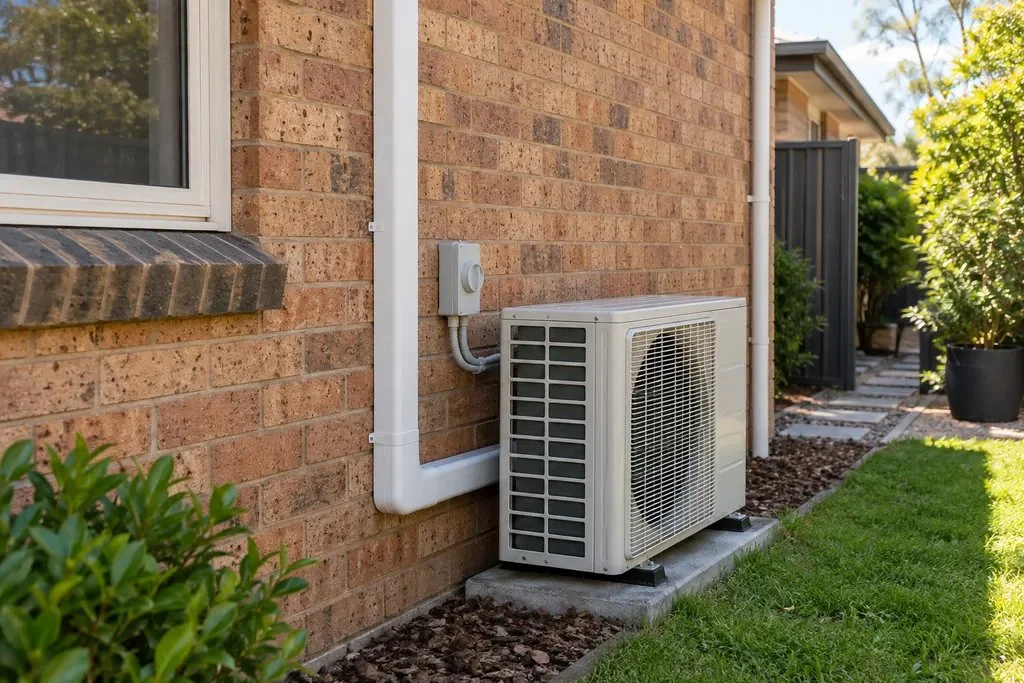
Keeping ceiling grilles is different from keeping all the ducts behind them. Likewise, keeping a plastic pipe cover says nothing about whether the copper inside it is suitable. Having the parts named in writing makes it much easier to understand what you are paying for.

How can you compare quotes that include different amounts of reuse?
A lower total may cover a different amount of work. Ask each installer to identify the proposed model, the parts they plan to retain and the checks that support that decision. Where something is still subject to inspection, ask how any extra work will be explained and priced before you agree to it.
You can then compare retaining suitable parts with replacing parts that need attention. There is no need to replace everything merely because it is old, but reuse should be supported by the equipment requirements and the inspection. Our guide to comparing installation quotes walks through the wider comparison.
What can you show Caleb to get started?
If you would like help planning an air conditioner replacement, send us the old model details if you have them, any repair history and photos of the units and visible pipe routes taken from a safe position. Tell us which rooms struggle and when, such as bedrooms at bedtime or the living room on a hot afternoon.
Caleb can use that information to understand your concerns and explain what needs inspecting before reuse is agreed. You do not need to know the names of every part. The aim is a clear replacement plan that explains what stays, what changes and why.
Sources and further reading
Research checked 5 October 2026. For operation, maintenance and installation requirements, use the instructions for the exact equipment in your home.
- Daikin — how refrigerant pipes move heat ↗
- Daikin — general guidance on existing pipe and cable reuse ↗
- Mitsubishi Electric — installation manual with model-specific pipe reuse checks (section 4.7) (PDF) ↗
- Mitsubishi Electric — ducted systems and existing ductwork ↗
- YourHome — duct insulation, sealing and return air paths ↗
- Australian Refrigeration Council — using licensed technicians ↗
Want a hand with this?
Send the old model and a few photos. We can explain what needs checking before anything is reused.
Ask Caleb ↗