Choosing a system
What size air conditioner do you need? A room-by-room guide
Learn how room size, afternoon sun and insulation affect air conditioner sizing, what the kW rating means, and what to share with an installer.
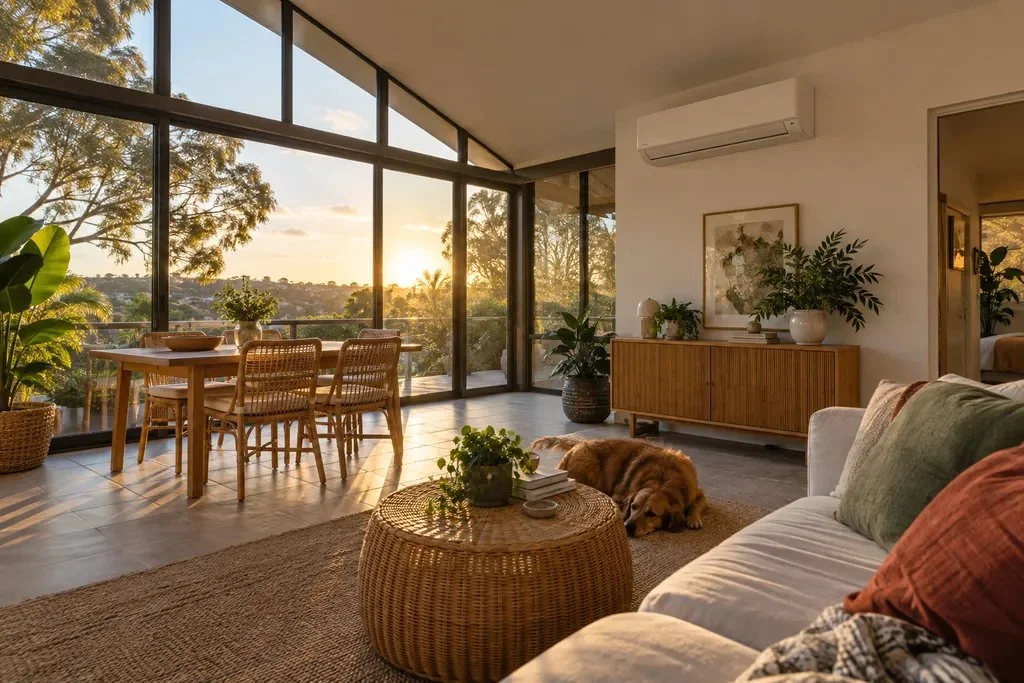
If you are trying to choose an air conditioner for a hot bedroom or living room, the numbers on the models can be confusing. The right size depends on more than the floor area: windows, sun, insulation and the space you want to heat or cool all matter. You can gather a few useful details without knowing anything about air conditioning, then ask an installer to explain which capacity suits the room and why.
What does the size of an air conditioner mean?
Here, “size” means heating or cooling capacity, rather than the dimensions of the box on the wall. Capacity is how much heating or cooling the system can deliver, measured in kilowatts, written as kW. A model advertised as 5 kW cooling has a rated cooling output of 5 kW under specified test conditions; its output in your home depends on the operating conditions.
That cooling number is different from electrical input, which is the power the unit draws to do its work. An air conditioner moves heat rather than turning each unit of electricity into an equal amount of cooling. You therefore cannot use its advertised cooling capacity to calculate the electricity bill.
Your bill measures energy used over time in kilowatt-hours, written as kWh. Many modern systems use an inverter, a control that allows the equipment to vary its output as the room’s needs change. Electrical input can vary too. Our running-cost guide explains how to estimate costs from electricity use.
Why is floor area only a starting point?
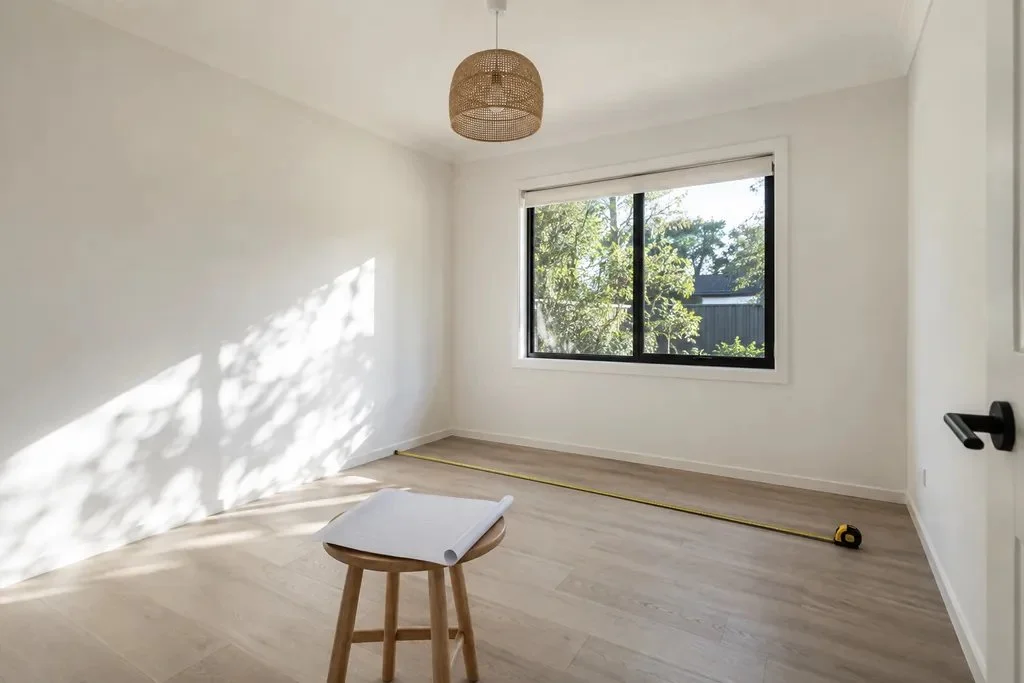
Measuring the floor tells an installer how large the space is. For example, a room 4 metres long and 5 metres wide has a floor area of 20 square metres. That is useful information, but it does not yet tell you which capacity to buy.
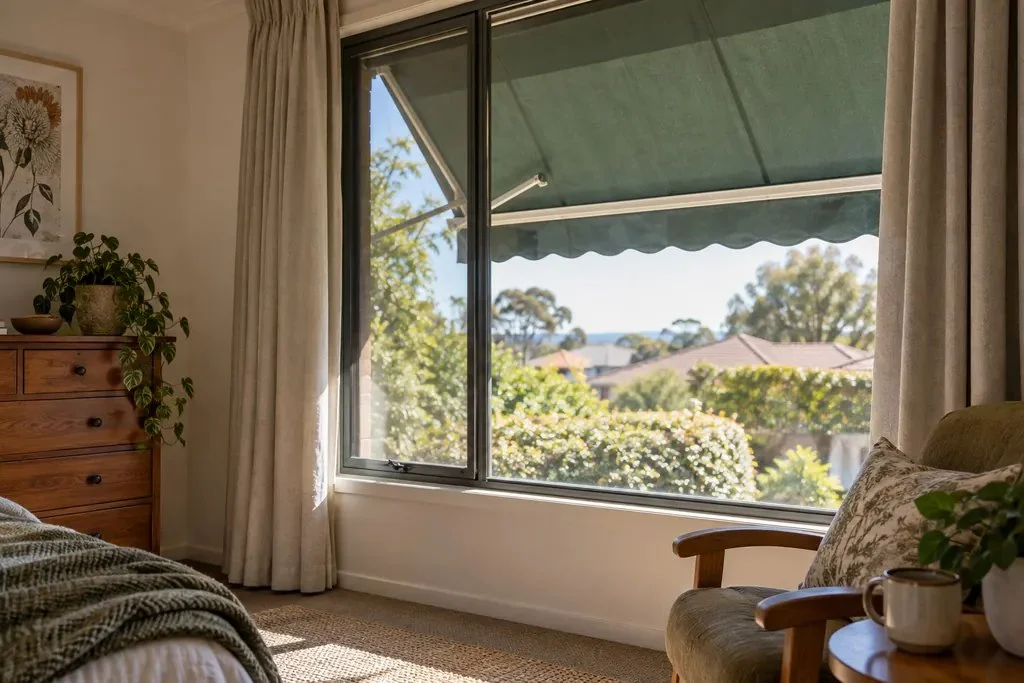
Picture two hypothetical bedrooms with that same floor area. One has shaded windows and good insulation; the other has large windows exposed to afternoon sun. They can need different amounts of cooling because different amounts of heat enter the rooms. Insulation slows heat passing through the building, so it matters for keeping rooms comfortable in winter too.
An installer brings these details together in a heat-load assessment. This means estimating the heating or cooling the space needs under the conditions being planned for. It gives a reason for the suggested capacity, instead of choosing a model from floor area alone.
What should you note in each room?
Start with the rooms you want comfortable and record how you use them. You do not need building plans or every answer before asking for help. Here is what is most useful for each type of space.
| Space | What to tell the installer |
|---|---|
| Bedroom | Length and width, whether it is upstairs, when sun reaches the windows, and whether the door stays closed at bedtime. |
| Lounge and dining area | The dimensions of connected areas, ceiling height, large windows and whether the space opens into a hallway or stairwell. |
| Home office | Room dimensions, sun exposure, usual hours of use and computers or other equipment running in the room. |
Window size and direction, shading, wall construction and known insulation help complete the picture. If you do not know what insulation is installed, say so. The installer can explain what needs checking; there is no need to climb into a roof space to find out.
For a lounge connected to a dining room, include both if you want one unit to serve the open space. For bedrooms with closed doors, identify each separately. A larger lounge unit does not guarantee air will reach those rooms, so the installer may recommend a different arrangement.
Is it safer to choose a bigger unit?
A system with too little capacity may struggle to reach the temperature you want during demanding conditions. But choosing a much larger model as a precaution can bring a higher purchase cost and may cause it to switch on and off too frequently. That can make temperature control less steady.
Inverter models can adjust their output within a range, but they still need to suit the room. Ask the installer why the recommended model fits the assessment. If two quotes suggest different capacities, ask what each assumed about the windows, insulation and adjoining spaces before deciding from the number alone.
Does heating change the choice?
A reverse-cycle air conditioner can heat as well as cool. Its heating and cooling capacities are listed separately, and performance changes with outdoor conditions. If you need a warm bedroom on cold mornings as well as cooling on Penrith summer afternoons, make sure both needs are included in the assessment.
Once the capacity is suitable, you can compare the efficiency of similar models. The Zoned Energy Rating Label gives separate heating and cooling ratings for different climate regions. Our energy-label guide explains how to read it, so the stars help you choose between suitable options.
What can you send us to get started?
A short description of the problem is helpful: for example, “the upstairs bedroom gets hot after lunch and stays uncomfortable at bedtime”. Add the following details if you have them:
- Room length and width, with ceiling height if known, and a sketch of any connected space you want served.
- Photos of the room and windows from safely accessible positions, plus when direct sun reaches them.
- How many people normally use the room, when it is occupied, and whether you need heating as well as cooling.
- If you already have a system, its model number if safely readable and a description of how it has been performing.
You do not need to arrive with a kW figure chosen. Caleb can use those details to discuss suitable options and explain what still needs checking in person before a final selection. Our split-system installation service is a place to start if you want help choosing equipment for a particular room.
Sources and further reading
Research checked 5 October 2026. For operation, maintenance and installation requirements, use the instructions for the exact equipment in your home.
Want a hand with this?
Send the room dimensions, a photo and which way the windows face. We can help narrow the size down.
Ask Caleb ↗